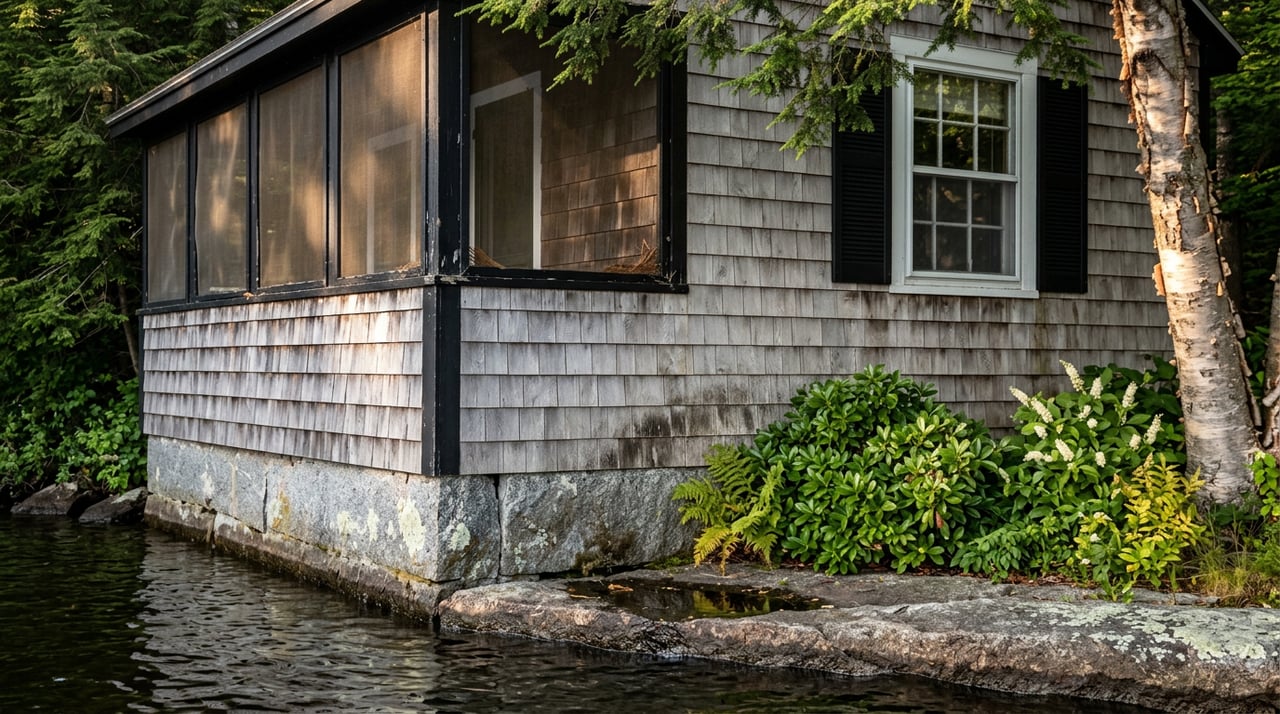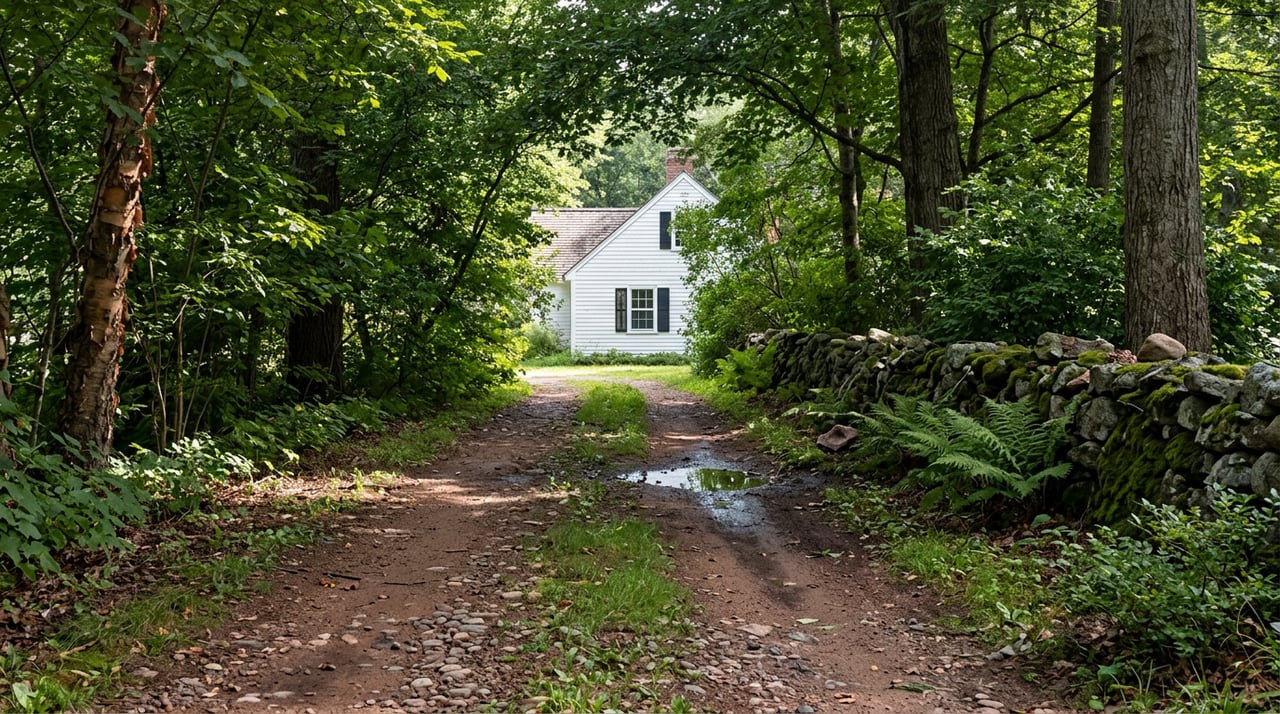
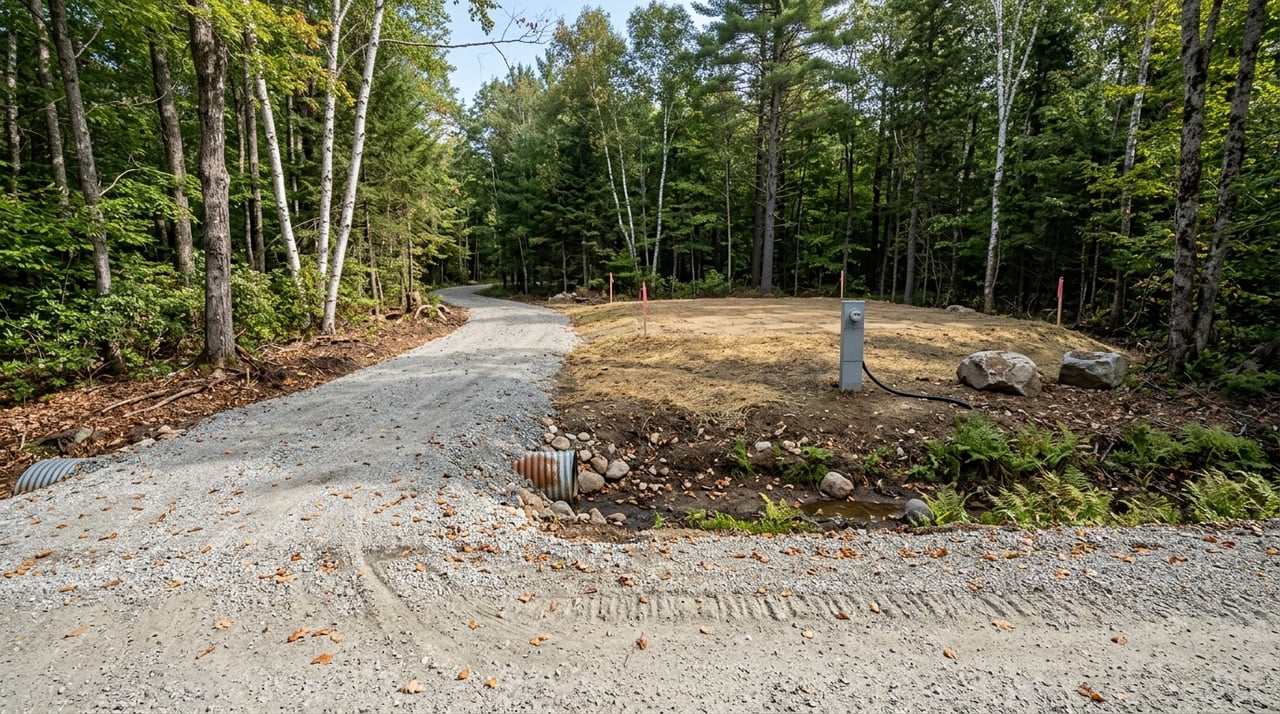
Buying land in Sandwich, NH can feel full of possibility. You may be picturing a custom home, a quiet getaway, or a future investment, but vacant land often comes with more questions than buyers expect. Before you move forward, it helps to understand zoning, access, setbacks, slopes, and utility feasibility so you can spot issues early and buy with more confidence. Let’s dive in.
Start With Zoning First
Before you think about house plans, start by confirming how the parcel is zoned. According to the Sandwich Zoning Ordinance, the town includes Rural/Residential, Village, Commercial, Shoreland, Skyline, Historic, and Groundwater Protection districts.
That matters because the zoning district and any overlay districts affect what you can do with the land. Your intended use may be allowed by right, or it may require extra review, a special exception, or site plan approval.
In Sandwich, the Rural/Residential district covers land outside the Village and Commercial districts and allows uses such as single-family dwellings, two-family dwellings, certain residential conversions, accessory structures, home occupations, agriculture, and some recreational uses. If the parcel is near water, the Shoreland district can add another layer of restrictions, including shoreline and landscaping rules.
Ask These Zoning Questions
- What zoning district covers the parcel?
- Are there overlay districts such as Shoreland, Skyline, Historic, or Groundwater Protection?
- Is your intended use allowed as-is, or does it need special approval?
- If the lot is near water, is it in Sandwich’s Shoreland district, the state shoreland jurisdiction, or both?
Confirm The Lot Is Actually Buildable
A parcel can look large on paper and still be difficult to build on. In Sandwich, lot size, frontage, setbacks, and slope all affect whether you can create a practical building envelope.
Under the town ordinance, minimum lot size in the Rural/Residential and Commercial districts is 100,000 square feet of unrestricted area. If 60% or more of that unrestricted area has slopes of 15% or greater, the minimum rises to 260,000 square feet of buildable area.
In the Village district, the minimum lot size is one acre. The ordinance also states that no more than one principal dwelling and one ADU are allowed on an existing or newly subdivided lot of at least one acre.
Frontage Rules Matter Too
Frontage can become a problem even when acreage seems adequate. In Rural/Residential and Commercial districts, lots generally need 160 feet of frontage on a public or private way, while waterfront lots need 320 feet of shore frontage.
Existing landlocked or limited-access lots with less than 160 feet may be allowed 50 feet of frontage in some cases. In the Village district, the frontage minimum is 80 feet.
Older lots of record are not automatically buildable just because they existed before the current rules. The ordinance notes that undersized or under-frontage lots may need a special exception from the Board of Adjustment.
Setbacks Can Shrink Your Building Envelope
Setback rules are another big factor. In Rural/Residential and Commercial districts, principal structures must be set back 75 feet from the center line of a road, 50 feet from side or back lot lines or the right-of-way edge, and 100 feet from lakes, ponds, streams, or wetlands.
In the Village district, principal structures must be 35 feet from the road center line, 15 feet from side or back lines or the right-of-way edge, and 100 feet from water or wetlands. Building height is generally capped at 32 feet above average ground level, with limited exceptions.
Pay Close Attention To Slopes
In Sandwich, topography is not just a design issue. It can directly affect whether land counts toward minimum lot area and whether extra permits are needed.
The ordinance treats steep slopes as areas over 15%, and slopes over 25% may not count toward minimum lot size. It also states that work on steep slopes requires a Planning Board permit, and subdivision applications in steep-slope areas may require additional survey information and an environmental impact study.
If you are buying a hillside parcel or a lot with ledge and grade changes, it is worth checking whether the usable building area is much smaller than the tax card or listing suggests.
Verify Access Before You Close
Access can make or break a land purchase. You want to know not only whether the parcel touches a road, but also whether that access is legally sufficient for your plans.
The Sandwich ordinance says a driveway must be at least 10 feet wide, a street access at least 18 feet wide, and either may be no wider than 50 feet at the roadway. It also says a road or street may serve more than one lot, but a driveway may serve no more than two lots.
If access falls within the right-of-way of certain state highways, you may need state approval too. Under RSA 236:13, it is unlawful to build or substantially alter a driveway, entrance, exit, or approach within the right-of-way of covered state highways without a written permit from the New Hampshire Department of Transportation.
Check These Access Items
- Is the lot legally accessible from a public or private way?
- Is the road shared, private, or town-maintained?
- Does the driveway need town approval, NHDOT approval, or both?
- Is there enough frontage to support legal access?
- Are there recorded easements or shared-drive agreements?
Understand Subdivision And Boundary Line Issues
If the parcel you want is being created from a larger tract, do not assume it is ready to build on. In Sandwich, boundary line adjustments are treated as subdivisions.
The town’s Planning Board application materials explain that the Board handles subdivisions, boundary line adjustments, site plan review, earth excavation, steep slopes, and scenic road tree cuts. The packet also says applications must be received 24 days before the first Thursday meeting, and scenic road tree cuts are due 31 days before a meeting.
The Planning Board encourages preliminary consultation or design review before formal filing. That early step does not guarantee approval, but it can help you identify likely issues before closing.
Make Sure A Well And Septic Will Fit
For many land buyers in Sandwich, utility feasibility is one of the most important parts of due diligence. Even if zoning allows a home, the lot still needs enough usable area for a house site, septic system, well, and driveway while meeting required setbacks.
Under the zoning ordinance, private residential wells generally must be 75 feet from septic leach fields, septic tanks, and property lines, though in some compliant situations that protective radius can be reduced to 50 feet. Septic tanks and leach fields must be 75 feet from the high-water mark of lakes, ponds, streams, or wetlands.
Those standards can create real challenges on narrow, sloped, irregular, or waterfront lots. A parcel that looks attractive on a map may not have an easy layout once setbacks and system spacing are applied.
Watch For Shoreland Rules
Waterfront and near-water parcels in Sandwich deserve extra attention. Local and state shoreland rules may both apply, and the local rules can be stricter.
The state’s Shoreland Water Quality Protection Act summary says protected shoreland generally includes land within 250 feet of the reference line for lakes and ponds larger than 10 acres, certain rivers and streams, designated rivers, and tidal waters. The summary also notes that new septic systems must achieve at least a 75-foot setback from the reference line.
Sandwich’s own Shoreland district extends 600 feet from several named lakes and ponds and includes added limits on tree cutting, driveway and parking surface materials, underground fuel storage tanks, and the use of herbicides, pesticides, and fertilizer within 250 feet of the high-water mark.
As of September 1, 2024, the state summary also says a property transfer involving a septic system in protected shoreland requires a septic evaluation by a licensed evaluator if any part of the system lies within 250 feet of the reference line. If you are buying waterfront land with an existing system, that is an important question to ask early.
Check Groundwater And Floodplain Overlays
Some parcels come with added environmental review because of groundwater or floodplain conditions. In Sandwich, the Groundwater Protection overlay covers stratified-drift aquifers and current wellhead-protection areas.
The ordinance says that if the overlay boundary is unclear, the owner must prove its location, and the Planning Board may hire an engineer or geologist at the owner’s expense to resolve the issue. That can affect both your timeline and your due diligence costs.
Flood hazard areas are also important. Sandwich’s building-code article requires a building permit and Compliance Officer inspection for new building footprints, septic work, new wells, and development in flood hazard areas. The ordinance also states that projects in flood-prone areas go through additional review involving the Selectmen, Compliance Officer, and Planning Board.
Build A Smart Due Diligence Checklist
Before making an offer on land in Sandwich, it helps to think beyond acreage and price. A strong due diligence plan can save you from buying a parcel that does not fit your goals.
Here are some of the most important items to confirm before closing:
- Zoning district and overlay districts
- Allowed use for your intended project
- Lot size, frontage, and setback compliance
- Slope conditions and whether steep-slope rules apply
- Legal road access and driveway requirements
- Easements, shared-drive rights, or deed restrictions
- Wetland, shoreland, groundwater, and floodplain impacts
- Well and septic feasibility
- Whether subdivision or boundary line approval is needed
- Whether a preliminary Planning Board consultation makes sense
The town’s Planning Board packet notes that town staff are not licensed to give legal advice and recommends consulting a lawyer or surveyor when needed. For many buyers, the most helpful early calls are to the Sandwich Land Use Secretary or Planning Board, a New Hampshire-licensed surveyor, a septic designer or evaluator, and NHDOT if state road access is involved.
Why Local Guidance Helps
Buying land in a Lakes Region town like Sandwich is different from buying an existing home. You are not just evaluating a property. You are evaluating what may or may not be possible on that property.
That is where thoughtful local guidance matters. When you understand zoning, access, shoreland rules, and utility fit before you close, you can move forward with a clearer plan and fewer surprises.
If you are thinking about buying land in Sandwich or elsewhere in the Lakes Region, Bronwen Donnelly can help you evaluate the property, the questions to ask, and the next steps to take with confidence.
FAQs
What should you check first before buying land in Sandwich, NH?
- Start by confirming the parcel’s zoning district and any overlay districts, since those rules control whether your intended use is allowed and what approvals may be required.
Can an older undersized lot in Sandwich, NH still be buildable?
- Possibly, but not automatically. The Sandwich zoning ordinance says older lots that do not meet current size or frontage rules may need a special exception from the Board of Adjustment.
Do steep slopes affect land use in Sandwich, NH?
- Yes. In Sandwich, slopes over 15% can trigger extra review, and slopes over 25% may not count toward minimum lot size.
Do you need special approval for a driveway on land in Sandwich, NH?
- You may. Depending on the road location, a driveway could require town approval, NHDOT approval, or both.
Are waterfront lots in Sandwich, NH subject to extra rules?
- Yes. Waterfront and near-water parcels may be subject to both Sandwich’s Shoreland district rules and the state Shoreland Water Quality Protection Act.
How do you know if a Sandwich, NH land parcel can support a well and septic system?
- You need to verify that the lot has enough usable area to fit the house, septic system, well, driveway, and all required setbacks from property lines, water features, and other site constraints.