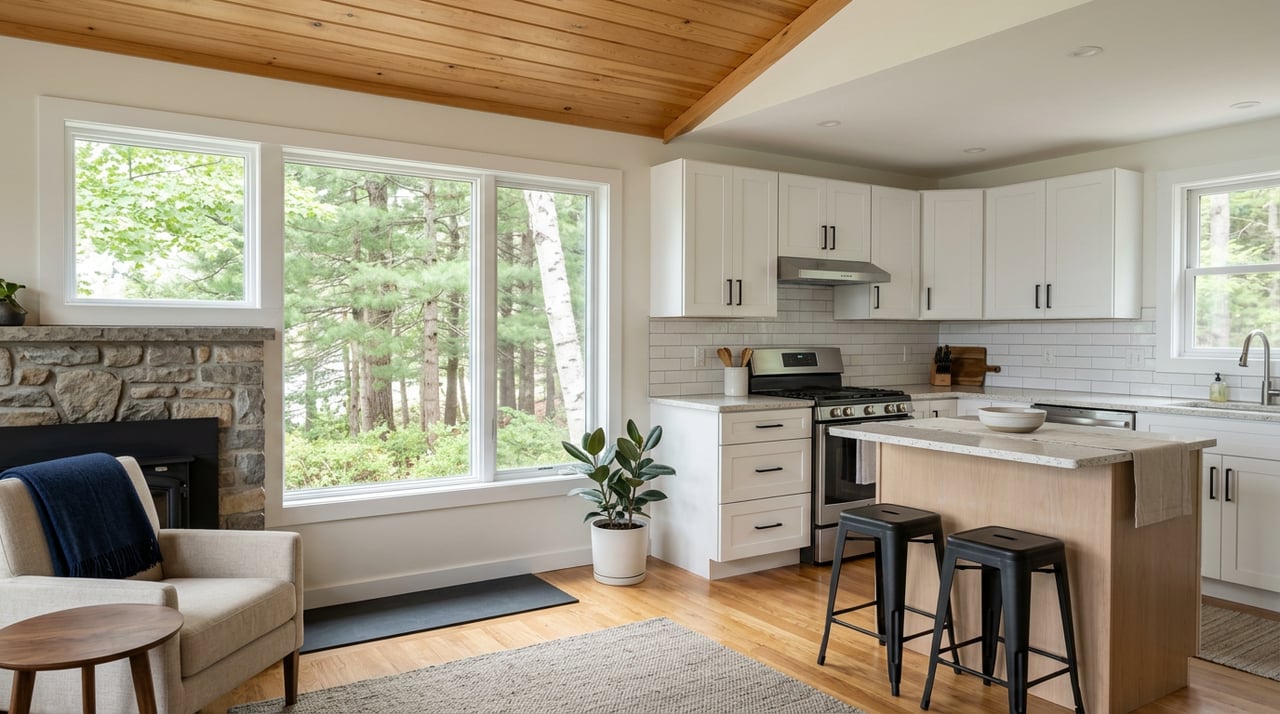
Thinking about listing your Holderness camp this year? Selling a seasonal cottage around Squam Lake comes with a few extra boxes to check, from septic rules to shoreland permits to staging a “camp” so buyers can picture summer memories right away. You want a simple, local roadmap so you can prep with confidence and avoid surprises after going under contract. This guide lays out the regulations to know, the documents to assemble, smart timing advice, and how a boutique Lakes Region brokerage can take the heavy lifting off your plate. Let’s dive in.
Holderness context and lake-life factors
Holderness sits in Grafton County and serves a mix of long-time owners and second-home families who value access to Squam Lake and nearby waterways. Buyers often focus on simple lake access details like the path to water, dock rights, and practical sleeping capacity for guests. Local groups such as the Squam Lakes Association are trusted resources for launches, moorings, and stewardship programs that help buyers understand how lake access works.
If you are aiming for a strong launch, timing, presentation, and clarity about shore access matter as much as square footage. The right prep can reduce days on market and support a smoother closing.
Must-know rules before you list
2024 septic transfer rule for waterfront
If your developed waterfront cottage has any part of its septic system within the state’s protected shoreland, New Hampshire’s updated rule now requires the buyer to obtain a licensed septic-system evaluation before transfer. This change took effect September 1, 2024. If the evaluation identifies a failing system, replacement is typically required within set timelines after closing. Review the NHDES fact sheet for details on responsibilities and timelines in the Transfers of Waterfront Properties with ISDS in Protected Shoreland guidance.
What this means for you: gather any septic design approvals, service and pump records, and recent inspection receipts. If you have a current evaluation, buyers can often rely on it, which may speed up the closing.
Protected shoreland and permits
Many Holderness and Squam-area cottages sit within New Hampshire’s “protected shoreland,” typically the first 250 feet from a defined reference line on qualifying public waters under the Shoreland Water Quality Protection Act (RSA 483-B). Work in this zone, like dock changes, vegetation removal, or impervious-surface projects, may require state permits. Confirm whether your waterbody is listed, and if your lot falls within protected shoreland, using the NHDES Consolidated List. Before promising buyers any shore upgrades, advise them to check state and town requirements.
Seasonal use and year-round conversion
Holderness defines “Seasonal Use” as using a unit no more than six continuous months in a calendar year. Converting a seasonal cottage to year-round use requires a town permit and compliance, including septic and energy-code requirements, plus applicable zoning standards. Be clear in your listing if buyers ask about year-round potential: conversion is not automatic and requires municipal approval. You can review the town’s definitions and conversion guidance in the Holderness Zoning Ordinance.
Required New Hampshire disclosures
State law requires several notifications and written disclosures for 1–4 family properties, including water supply and sewage disposal details, and notices related to radon, arsenic, PFAS, flood, and lead paint as applicable. These are commonly handled through standard NHAR forms. See RSA Chapter 477 for the statutory framework in New Hampshire’s property transfer statutes. If your cottage was built before 1978, federal law also requires you to provide the EPA/HUD lead pamphlet and any known lead reports; learn more in the EPA’s Lead-Based Paint Disclosure Rule.
Docks, moorings, and access rights
Docks and moorings often require state permits and compliance with size and installation rules, and association-managed moorings follow specific procedures. Collect any existing approvals and be ready to share them with buyers. A helpful overview of shoreland and dock resources is in “Living with Water” from the New Hampshire Coastal Adaptation Workgroup at nhcaw.org. On Squam, point buyers to the Squam Lakes Association for launch and stewardship information. In your listing, state access facts clearly, such as “deeded path to water” or “shared dock managed by association,” and avoid ambiguous terms.
Flood risk and insurance
Lake properties warrant a careful look at flood exposure. Encourage buyers to review FEMA maps and ask for any elevation certificates or flood-insurance history. New Hampshire has updated flood-disclosure expectations at the state level; you can use the “Living with Water” resource at nhcaw.org as a starting point and coordinate with the town for local maps.
Get your cottage ready to list
Documents to assemble first
Use this as your quick, downloadable-style checklist:
- Deed and current survey that shows lot lines and any recorded easements.
- NHDES shoreland and dock-related permits or approvals, plus any mooring documentation.
- Septic system file: original permit/design, installer records, pump logs, service receipts, dye tests, and any repair invoices. The 2024 buyer evaluation rule makes this file essential.
- Well and potable water test results, if applicable.
- NH seller property-disclosure form and statutory notices. For pre-1978 cottages, include the federal lead pamphlet and any lead reports.
- HOA or lake-association documents, including mooring lists or slip agreements and any waitlist details.
- Recent utility bills, claim history, seasonal photos of the shoreline/path to water, and records of renovations and building permits.
Housekeeping and safety before showings
- If winterized, have a qualified pro de-winterize, test water lines, confirm heating and hot water, and check smoke and CO detectors. If you keep systems winterized, set clear showing instructions and share current interior photos.
- Deep clean and declutter small camp rooms. Show sleeping capacity clearly with tidy bunks and guest space.
- Clear and secure the route to water. Photograph the actual walk or stairs so buyers can gauge grade, steps, and distance.
- If you have a wood stove or chimney, consider an inspection and keep receipts handy.
Photos, aerials, and virtual tours
Professional photos help lake listings shine. Capture wide interiors, bright exteriors, twilight if appropriate, the shoreline, and a clear path-to-water sequence. A simple floor plan helps buyers understand sleeping arrangements.
Aerial photography is often worth it for waterfront context. For paid drone work, your operator must follow FAA small UAS rules. Hire a Part 107–certified pilot who carries liability insurance and complies with Remote ID. Learn more in the FAA’s Part 107 guidance: commercial drone operations overview.
3D tours can reach out-of-area buyers. Make sure the tour shows how you get from the house to the water.
Staging the “camp” charm with clarity
- Highlight functional lifestyle details: screened porch, firepit, gear storage, and boat trailer space.
- State water access facts precisely: “no private dock; public launch options nearby” or “shared dock maintained by association.” Link to association resources when available.
- Keep the tone practical and specific rather than romanticized. Buyers value clear, verifiable statements.
Pricing, timing, and septic sensitivity
Waterfront and seasonal properties often see the most activity in spring and early summer when buyers want to evaluate shoreline and summer use in person. Your ideal go-to-market date depends on current inventory and comps, so plan a pre-list strategy session with a local agent who knows Holderness and the Squam market.
Pricing for seasonal cottages can vary widely based on frontage, deeded access, lot depth, septic status, and the usability of the shoreline. If an evaluation or designer says a system must be replaced, that can affect price discussions and timing. In New Hampshire, full septic replacements in lake or wetland conditions commonly run in the tens of thousands of dollars; an illustrative range is roughly $14,000 to $30,000 depending on system type and site constraints, per this New Hampshire septic cost guide. If you suspect work may be needed, gather contractor estimates early so negotiations stay on track.
How a boutique Lakes Region brokerage helps
A seasoned, locally grounded team can manage the moving parts so you stay focused on decisions, not logistics.
- Pre-list prep coordination. We can help arrange de-winterizing, well testing, septic pumping or evaluation scheduling, simple exterior cleanup for safe path-to-water access, and handyman touch-ups.
- Permitting and disclosure assistance. We pull tax cards, locate prior town or NHDES permits when available, and prepare the standard NH property-disclosure package with you.
- Visual marketing stack. We schedule professional photography and, if desired, a licensed Part 107 drone pilot, plus floor plans and a virtual tour that shows the path to the lake.
- Showings and security for out-of-area owners. Lockbox setup, coordinated access, and light between-showing checks.
- Closing logistics. We work with closing attorneys familiar with Holderness and coordinate the buyer’s septic evaluation process under the 2024 rule, including report sharing and timeline planning.
Next steps and local resources
- Confirm whether your lot sits within protected shoreland and gather any NHDES files. A good starting point is the NHDES Consolidated List of protected waterbodies.
- Review the 2024 waterfront septic transfer rule so you understand what buyers will order and when. See the NHDES septic transfer fact sheet.
- If buyers ask about year-round potential, reference the Holderness Zoning Ordinance and suggest they consult the town.
- For launch, mooring, and stewardship context, direct buyers to the Squam Lakes Association.
- For shoreland, docks, and flood resources in one place, share the “Living with Water” page at nhcaw.org.
Ready to map out your listing plan, from document gathering to drone photos to a confident go-to-market date? Reach out to Bronwen Donnelly at Meredith Landing Real Estate for neighborly, expert guidance across the Lakes Region.
FAQs
How does New Hampshire’s 2024 septic transfer rule affect a Holderness waterfront sale?
- If any part of the septic system lies within protected shoreland, the buyer must obtain a licensed evaluation before transfer, and failing systems generally must be replaced within set timelines per NHDES guidance.
What is “protected shoreland” around Squam Lake and why does it matter when selling?
- Protected shoreland is typically the first 250 feet from the reference line on qualifying public waters, and many activities there may require NHDES permits, so you should verify your status and gather any related approvals.
Can a seasonal cottage in Holderness be converted to year-round use?
- Possibly, but it requires a town permit and compliance with septic and energy-code requirements along with zoning standards, so buyers should consult the town and relevant professionals.
What disclosures are required when selling a pre-1978 seasonal cottage in New Hampshire?
- You must provide state-required disclosures and the federal lead-based paint pamphlet with any known lead reports for pre-1978 homes.
Do I need paperwork for an existing dock or mooring when I sell?
- Yes, you should locate and share any state or municipal permits and association documents for docks, moorings, or slips so buyers can confirm access and compliance.
When is the best time to list a Holderness seasonal cottage?
- Spring and early summer often provide strong exposure for lake properties, but your ideal date depends on current local inventory and comps, so plan timing with a local agent.