What if your morning coffee came with loon calls and mirror-calm water? If you’re drawn to quiet lake life with easy access to hiking, small-town services, and a strong conservation culture, Holderness might be your fit. In this guide, you’ll learn what daily life on Squam looks like, how seasons shape the rhythm of the town, what to expect from homes and shorefront rules, and where to find essentials. Let’s dive in.
Why Holderness feels different
Holderness is a small, year-round town set along US‑3 and Route 113 with a population around 2,000. It is known for Big and Little Squam, a lake system with many islands and protected shoreline. The vibe is relaxed and outdoors-forward, with local groups focused on stewardship and low-impact fun. You get small-town convenience with quick access to neighboring hubs.
Daily life on Squam Lake
Boating and lake access
You do not need to own a boat to enjoy Squam. The Squam Lakes Association provides a helpful hub for information and rentals, including canoes, kayaks, and paddleboards through its boat rentals resource center. Local marinas and community launches support powerboat use, and you can find at least one public ramp and a navigable channel between Big and Little Squam. If you plan to buy on the water, verify dock rights, shared access, and any launch rules for your specific property.
For a first look, consider a naturalist-led lake cruise. The Squam Lakes Natural Science Center runs seasonal programs and lake outings that highlight wildlife and shoreline care. You can learn more and check schedules at the Squam Lakes Natural Science Center.
Trails with lake views
If you love quick hikes with big payoffs, the Rattlesnake area and Mount Morgan are local favorites. The Squam Lakes Association maintains popular routes and publishes maps and access points on its hiking trails page. Trails may close or request limited use during mud season to protect soils and habitat, so check conditions before you go. Pack layers, water, and give yourself time to sit with the view.
Wildlife and stewardship
Loons, bald eagles, and a wide range of New England lake species call Squam home. That quiet, watchful nature is part of daily life here. Local nonprofits encourage lake etiquette and simple steps like giving loons space, respecting no-wake zones, and cleaning boats to prevent invasive species. When you move to Holderness, you become a steward too.
Seasons on the lake
Summer is the peak season for boating, swimming, and short hops to islands for picnics. Fall brings a second wave of activity with cooler hikes and foliage drives. Winter is quieter by the shoreline, though regional ski areas and winter trails are an easy drive for weekend fun. In spring, expect some trail closures and soft ground, which can also affect construction timelines and deliveries.
Home types and waterfront realities
Camps and cottages
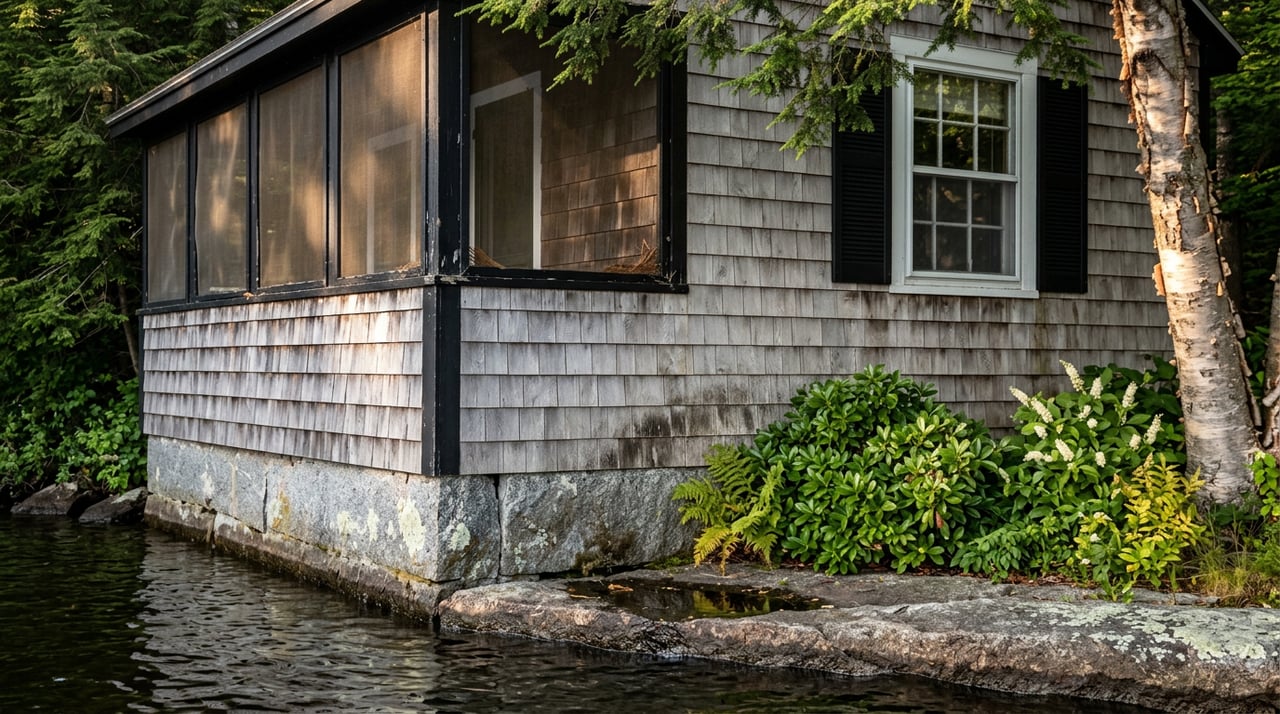
Small, wood-sided seasonal camps are part of Squam’s history. Many have been renovated for year-round use, while others remain simple and seasonal. You will also find multi-cabin “camp” clusters on larger parcels.
Year-round homes inland
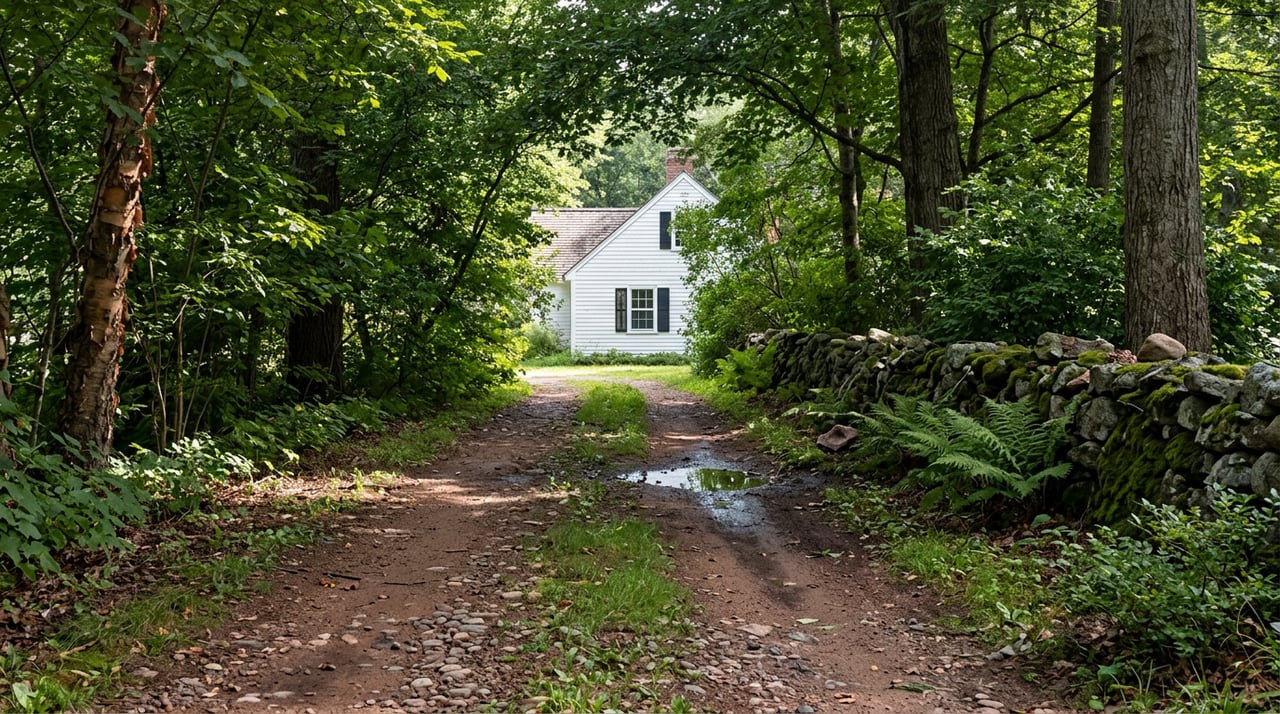
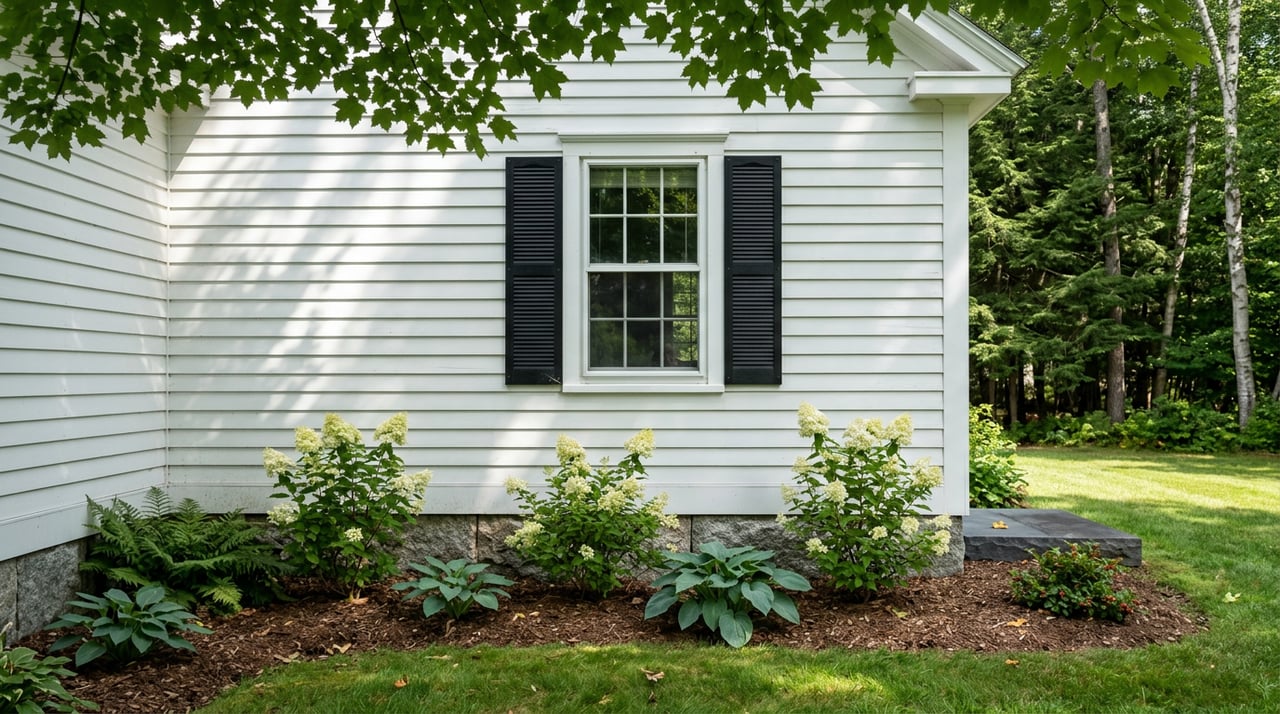
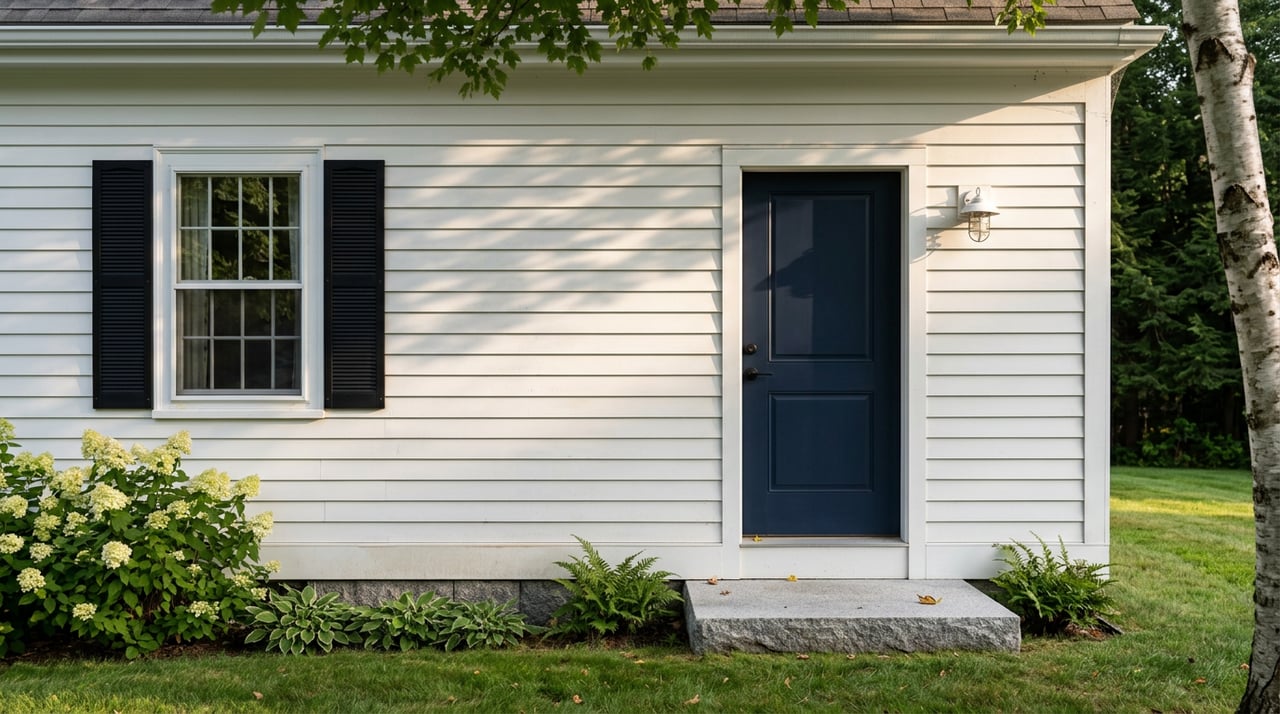
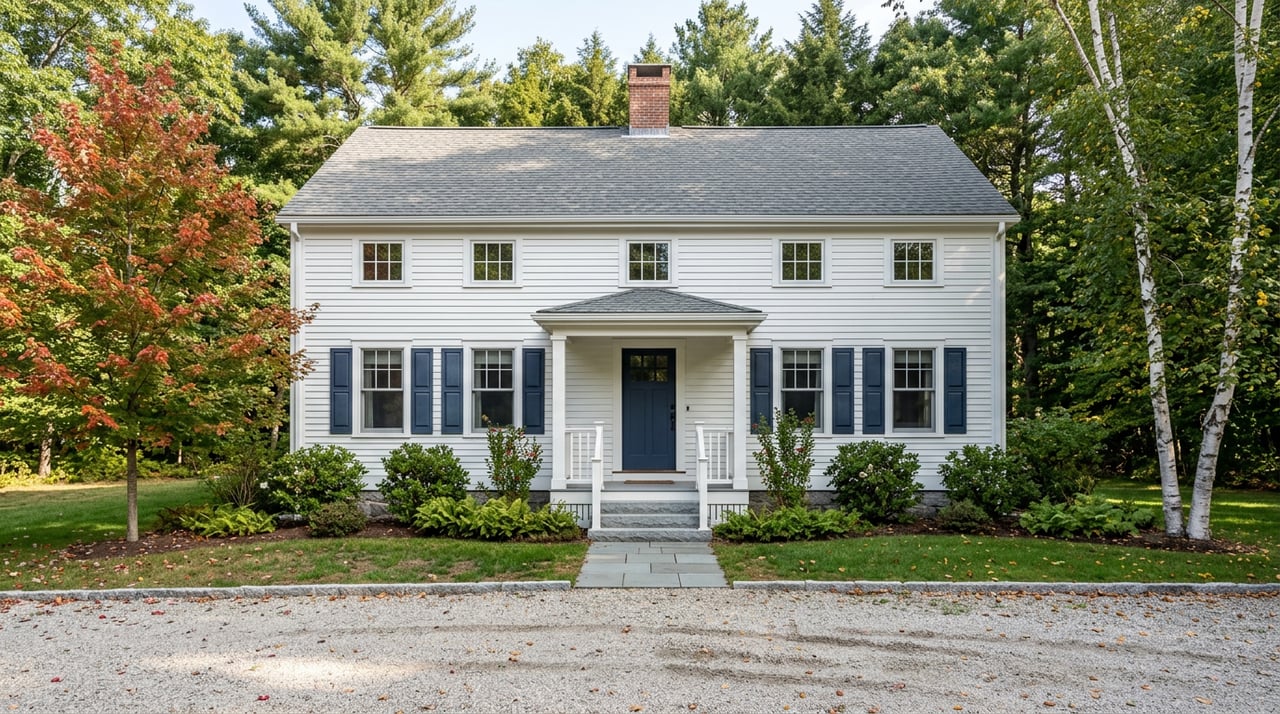
Just off the lake, you will see classic New England styles like Cape Cods, Colonials, and farmhouses. Updated post-and-beam lake houses also appear on larger inland lots. These settings often trade direct water access for privacy and easier year-round living.
Waterfront and islands
Shoreline properties can include steep paths to the water, docks, and in some cases boathouses. Island parcels offer a unique retreat for buyers who value seclusion and a back-to-basics routine. Each parcel is different, so site visits and careful review of access details are key.
Shoreline rules and permits
Waterfront work in New Hampshire is permit-sensitive. The Shoreland Water Quality Protection Act and related NHDES rules regulate activities within 250 feet of the water, including vegetation removal, siting structures, and docks. Before you plan a new dock, make significant clearing, or add impervious surfaces, review the state’s guidance and speak with the town. You can find official references on the NHDES shoreland and Env‑Wq rules page.
Quick checklist for buyers:
- Confirm existing dock permits, dimensions, and any shared rights.
- Ask for site plans and previous approvals for shoreline work.
- Budget time for permits early in your purchase timeline.
Wells, septic, winter access
Most properties rely on private wells and on-site septic systems. Ask for system age, maintenance records, and whether a recent inspection or pump has been completed. In winter, confirm road maintenance, driveway plowing, and emergency access, especially for more remote shoreline homes.
Town services and access
Schools and education
Holderness is served by Holderness Central School, with students typically attending Plymouth Regional High School for grades 9 through 12. You can view public school links and contacts on the town’s schools page. Holderness School, a long-established private boarding school in town, is also part of the local fabric. Learn more at Holderness School.
Healthcare and emergencies
For hospital care and most urgent needs, residents typically go to Plymouth. Speare Memorial Hospital serves central New Hampshire, and it is a short drive from Holderness depending on your location. Explore services through Speare Memorial Hospital.
Getting around
Holderness sits on US‑3 and Route 113 with quick access to I‑93 via nearby exits. Travel pieces often describe the Boston drive as about two hours depending on traffic and weather. For town information and contacts, start at the Town of Holderness.
Shops and dining
You will find small-town essentials in Holderness, including the post office and the Holderness Free Library. For broader grocery, retail, and dining, Plymouth and Meredith are close by. The Lakes Region Planning Commission offers a concise town overview at the Holderness profile page.
Conservation culture
The Squam watershed has an active conservation community that protects land, shapes development patterns, and supports the quiet character many people love. The Squam Lakes Association offers programs like LakeSmart and seasonal events that help owners learn low-impact practices. The Squam Lakes Conservation Society also shares updates on land protection efforts at its Forever Updates page. If you value scenic shoreline and wildlife viewing, you will feel at home with this ethic.
Is Holderness right for you?
If you want a slower pace with quick access to water, hiking, and small-town services, Holderness delivers. Plan for thoughtful stewardship, seasonally busy summers, and a close relationship with your shoreline and systems if you buy on the water. With the right guidance, you can find a home that fits how you live and play.
Ready to explore homes on Squam and around the Lakes Region? Connect with Bronwen Donnelly for local, boutique guidance from search through closing.
FAQs
What is daily life like in Holderness, NH on Squam Lake?
- Expect quiet mornings on the water, easy access to hiking, small-town services in Holderness, and broader retail and healthcare in nearby Plymouth.
How can I access Squam Lake without owning a boat?
- Rent canoes, kayaks, and paddleboards or get lake information through the Squam Lakes Association’s boat rentals resource center, and use community launch options.
What are the key shoreland rules for waterfront owners on Squam?
- Many activities within 250 feet of the water require permits, including vegetation removal and dock work. Start with NHDES guidance on shoreland and Env‑Wq rules.
Are there good hiking options with lake views near Holderness?
- Yes. The Squam Range, including Rattlesnake and Mount Morgan, offers popular routes with panoramic views. Check maps and conditions on the SLA hiking trails page.
Where do Holderness residents go for hospital and urgent care services?
- Speare Memorial Hospital in Plymouth serves central New Hampshire, and it is a short drive from Holderness. See services at Speare Memorial Hospital.
Is Holderness mostly seasonal or year-round?
- Holderness is a year-round community with a strong summer and fall influx. Some camps remain seasonal while many cottages have been winterized; verify occupancy details for each property.