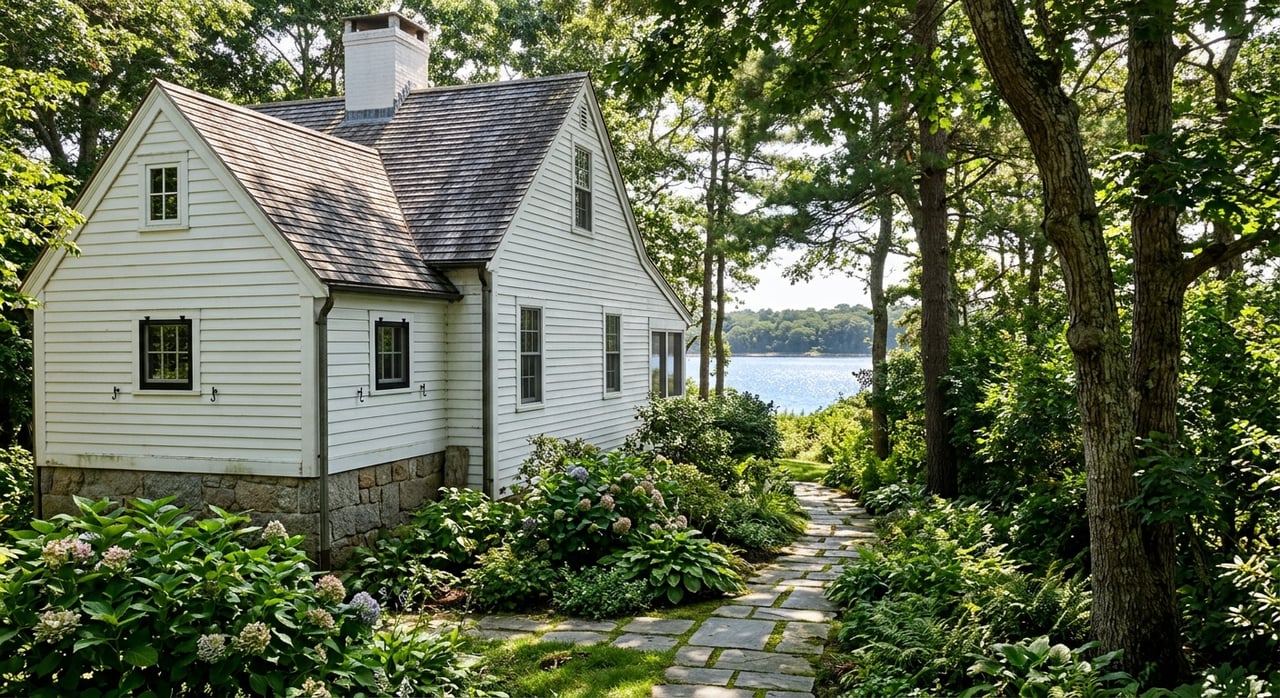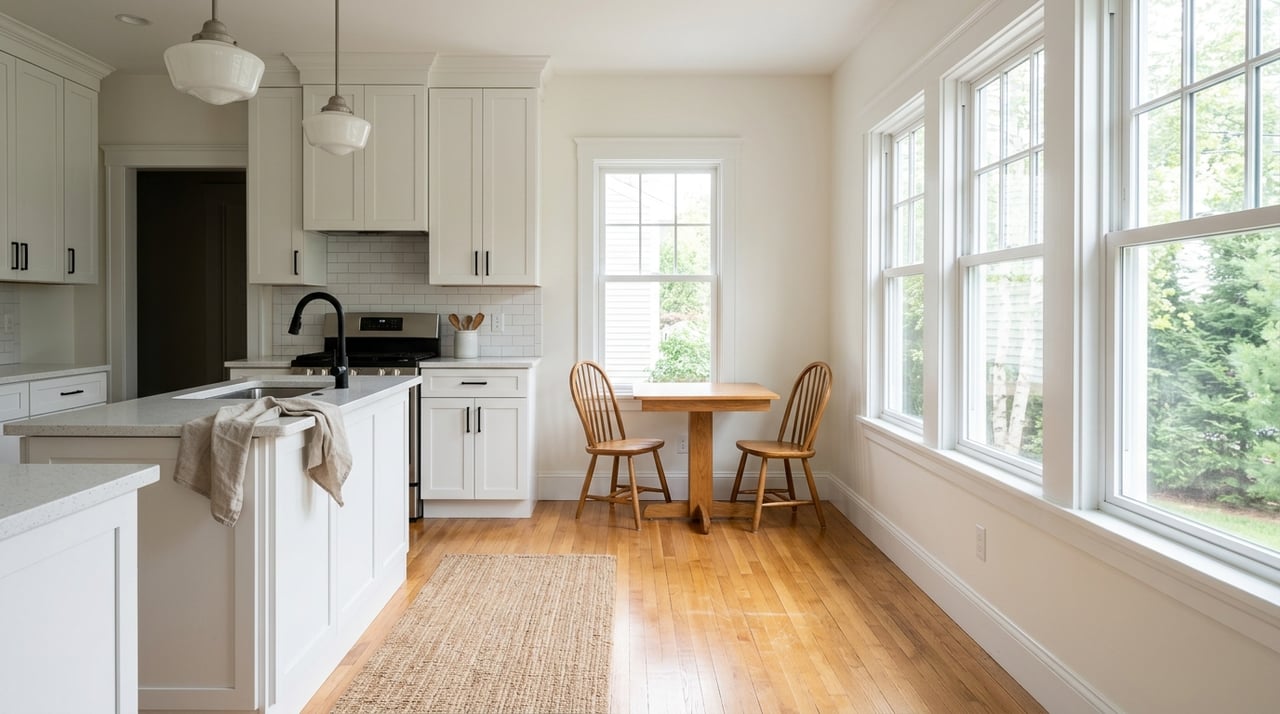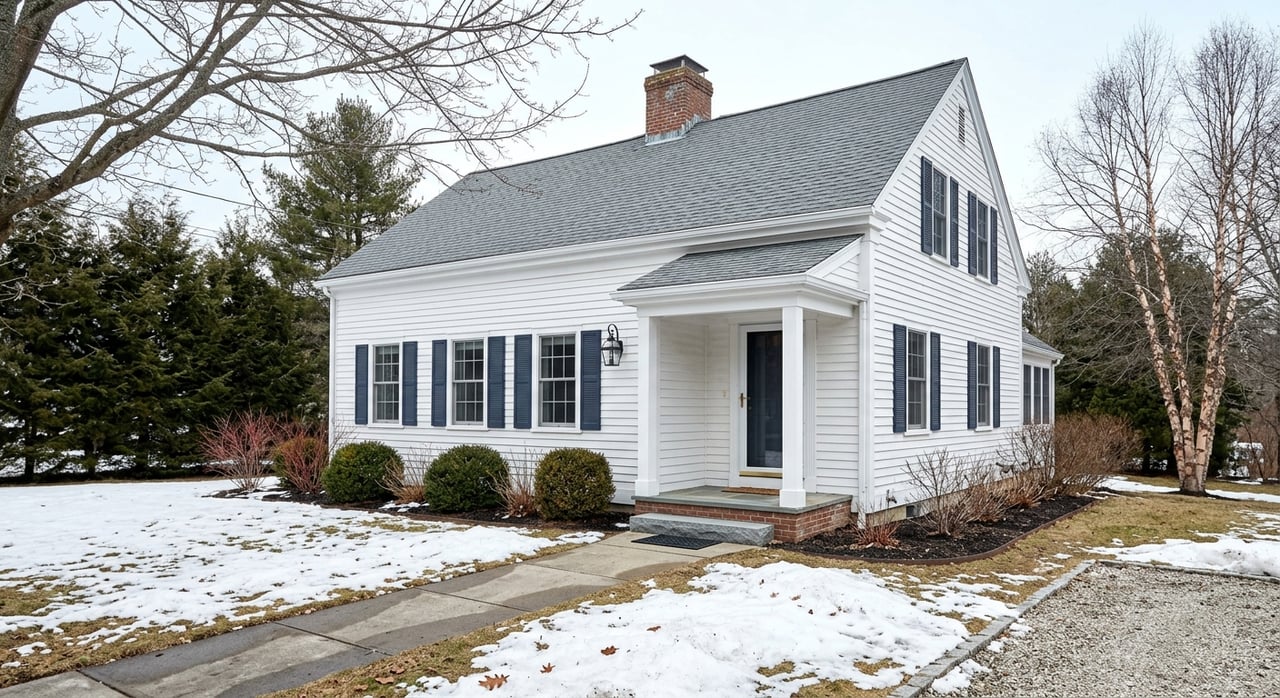
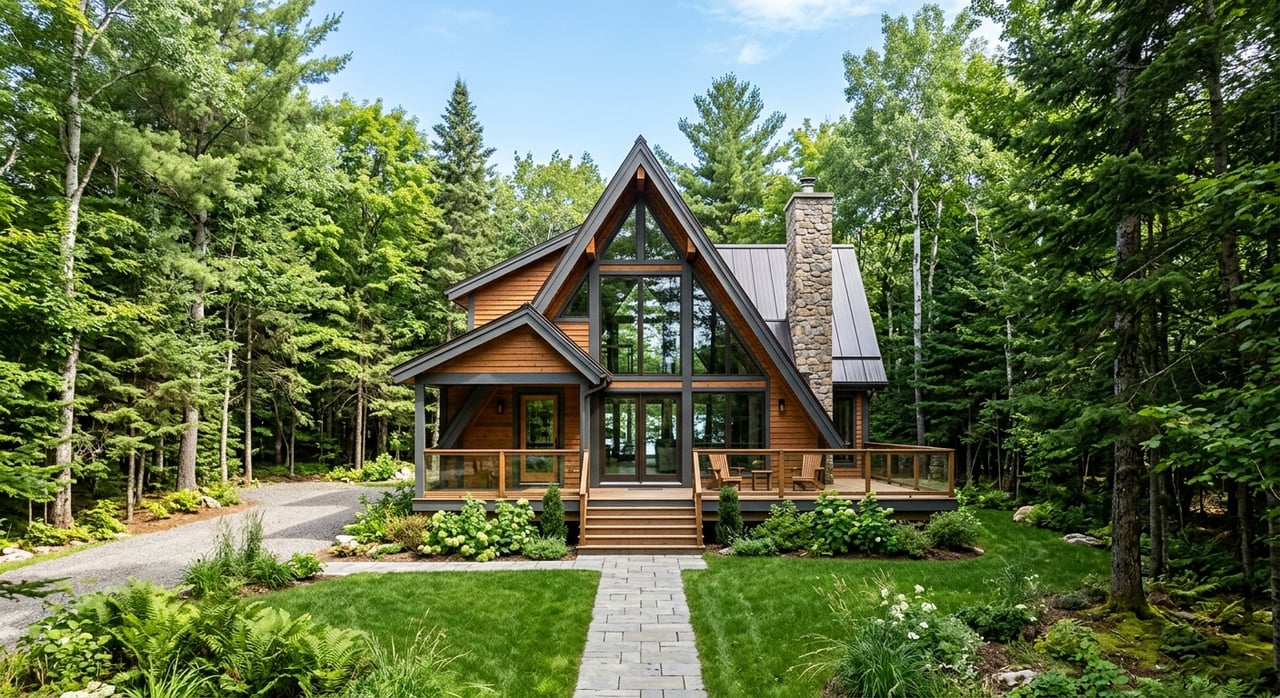
If you have ever fallen in love with a Lakes Region home online, you already know the catch: that same property can feel very different in January than it does in July. Around Holderness and the surrounding lakes, the seasons do not just change the scenery. They change what you can see, how easily you can get there, and what questions matter most before you buy. If you want to shop with more confidence, it helps to know what each season reveals. Let’s dive in.
Why seasons matter in Holderness
Holderness is a year-round community in central New Hampshire, set between the White Mountains and the Squam Lakes. The town and the broader Lakes Region draw visitors and residents in every season, which means home buying here often happens against a backdrop of changing weather, changing road conditions, and changing visitor activity.
That local rhythm matters because access is part of the buying experience. Holderness maintains about 38 miles of local roads, split roughly evenly between gravel and paved surfaces, with winter plowing and sand and salt operations playing a major role. In practical terms, a driveway, lot, or road approach may look straightforward in summer and feel very different during snow season or spring thaw.
New Hampshire is also a true four-season state. Nearby Plymouth climate normals show just how wide that swing can be, from cold January averages with about 18 inches of snowfall to warm July days with no normal snowfall. In the Lakes Region, that range shapes both the home search and the day-to-day reality of owning property.
Winter shows the property under pressure
Winter can actually be one of the most useful times to view a home around Holderness. Snowbanks, frozen ground, and plowed driveways can reveal maintenance patterns that are easy to miss in warmer months. If you are buying a year-round home, second home, or rural property, that kind of real-world test can be valuable.
At the same time, winter limits what you can see. Snow cover can hide parts of the yard, grading, shoreline edges, and parts of the driveway. Landscaping details also fade into the background, so it may be harder to judge how the property looks and functions once the snow is gone.
Winter conditions can also affect access more directly. In Holderness, the town posted roads at a 12,000-pound maximum weight limit effective March 10, 2025, which reflects how winter and thaw periods can change road use. For buyers, that is a reminder to pay attention not just to the house, but also to the road network that serves it.
What to notice during winter showings
When you tour in winter, focus on what the season is showing you clearly:
- How the driveway is laid out and how easy it is to enter and exit
- Whether parking areas feel practical in snow conditions
- How the home sits on the lot during plowing season
- Whether access roads appear straightforward or more weather-dependent
- What parts of the yard, shoreline, or grading are hidden by snow
Mud season reveals drainage and access
In New Hampshire, mud season generally runs from mid-March to mid-May. This is the stretch when snowmelt and thaw can create mud, puddles, and slick patches of ice, and it can be especially noticeable in rural parts of the Lakes Region.
For buyers, mud season is not just messy. It is revealing. Around Holderness, where the road network includes a significant amount of gravel road frontage, this season can show you how a property handles water, how a driveway performs under thaw conditions, and whether parking and entry become more complicated in spring.
This can be especially important on larger lots, rural roads, and properties with longer driveways. A home that feels easy to reach in August may feel very different in April. That does not automatically make it a poor fit, but it does mean you are seeing a side of ownership that summer buyers sometimes miss.
Why mud season can be useful
Mud season can help you evaluate practical concerns such as:
- Drainage around the home and driveway
- Soft or rutted areas near parking spots
- How water moves across the lot
- How easy it is to walk the property safely
- Whether access feels consistent during thaw periods
Summer makes access easier
If you want the clearest look at a property’s outdoor features, summer is often the easiest season to shop. In the Lakes Region, summer brings boating, swimming, scenic drives, and active lakeshore use. For buyers, that usually means better visibility and easier physical access.
This is when you are most likely to see yards, docks, beaches, landscaping, and shoreline usability clearly. If you are considering a lake-oriented property or a home where outdoor living matters, summer can give you the fullest picture of how the property looks and feels during peak use.
The tradeoff is that the Lakes Region also comes alive in summer as a popular destination for visitors. More activity can shape traffic patterns, parking, and the overall pace of showings. Even if the inventory feels somewhat fuller than in deep winter, the broader New Hampshire market remains tight by historical standards.
NHAR reported 1.4 months of statewide housing supply in January 2026 and 1.8 months in April 2026. A balanced market is typically 5 to 7 months of supply. So while the calendar may shift, small seasonal changes do not necessarily create an easygoing buyer’s market.
What summer helps you evaluate
Summer is often the best time to judge:
- Yard size and usable outdoor space
- Docks, beaches, and shoreline access
- Tree cover and privacy as the lot fills in
- Road and neighborhood activity during peak season
- Outdoor entertaining potential on decks, patios, and porches
Fall highlights views and seasonal traffic
Fall is one of the most visually striking times to home shop in the Lakes Region. The foliage season draws strong visitor traffic, and lakeside towns often become popular weekend destinations. For many buyers, this is when the area feels at its most classic and inviting.
It is also a useful season for viewing a property. Cooler weather makes it easier to tour comfortably, and foliage can frame views beautifully. You may get a strong sense of the home’s setting, nearby roads, and the broader rhythm of the community before winter arrives.
Still, fall has its own version of competition. As visitors fill the region for leaf-peeping season, traffic, parking, and open-house timing can feel more compressed. If you are touring several properties in one day, it helps to plan with that seasonal activity in mind.
The market stays tight year-round
One of the biggest misconceptions buyers have is that a change in season will automatically open up the market. In reality, the underlying supply picture in New Hampshire remains constrained across the calendar.
According to NHAR, the first quarter of 2026 averaged about 1,400 homes for sale per month statewide, compared with roughly 3,600 in the first quarter of 2019. That is a significant difference, and it helps explain why buyers may still face competition even when the season changes.
Closer to home, Grafton County’s median single-family sale price reached $437,500 in the first quarter of 2026, up 6.7 percent from the same period in 2025. NHAR also notes that second homes have long been a core part of New Hampshire’s housing market, which helps explain why lake towns often follow a stronger seasonal rhythm than inland communities.
For you as a buyer, the takeaway is simple: the best season is not always the cheapest or least competitive one. Instead, the best season is the one that helps you evaluate the kind of property you want most clearly.
Match the season to your goals
Different buyers care about different things, and that is where timing becomes more strategic. A waterfront or lake-access buyer may want summer visibility to better understand docks, beach areas, and shoreline use. A buyer focused on year-round practicality may learn more from a winter or mud season showing, when access and maintenance demands are harder to hide.
If you are looking at land, large lots, or recreational property, seasonality can matter even more. Changes in snow cover, thaw, and foliage can all affect how you experience boundaries, terrain, and access. Seeing a property in one season can be helpful, but understanding what another season might reveal is often just as important.
A simple way to think about timing
Here is a practical way to match your search season with your priorities:
| Season | What you see best | What may be harder to judge |
|---|---|---|
| Winter | Plowing realities, snow access, cold-weather conditions | Landscaping, grading, shoreline edges |
| Mud Season | Drainage, driveway performance, thaw conditions | Clean curb appeal, easy walkability |
| Summer | Yards, docks, beaches, neighborhood activity | Winter access and snow-related maintenance |
| Fall | Views, setting, cool-weather touring, seasonal activity | Full winter performance |
Buy with the full year in mind
In Holderness and the surrounding Lakes Region, a home is never just a snapshot. It is a property that will live through snowstorms, spring thaw, busy summer weekends, and fall visitor traffic. The more you understand that cycle, the more confident you can feel about your decision.
That is why local guidance matters. When you are comparing homes across seasons, you want more than a quick showing. You want context about access, road conditions, lake-area rhythms, and how a property may present once the weather changes.
If you are thinking about buying around Holderness, Squam, Meredith, or the broader Lakes Region, Bronwen Donnelly can help you see past the season and focus on the property itself.
FAQs
How does winter affect home buying in Holderness?
- Winter can make it easier to evaluate plowing, driveway access, and cold-weather conditions, but snow may hide landscaping, grading, and shoreline details.
What is mud season in the Holderness area?
- Mud season is generally the mid-March to mid-May period when thaw and snowmelt create muddy, slick conditions that can affect driveways, parking, and drainage.
Is summer the best time to buy a home near the lakes?
- Summer often gives you the clearest view of yards, docks, beaches, and outdoor spaces, but the market can still feel active because the Lakes Region is a popular destination.
Does fall change the home shopping experience in the Lakes Region?
- Fall can showcase views and setting beautifully, but foliage season can also bring more traffic, tighter parking, and busier weekends in lake-area towns.
Does the real estate market slow down enough in winter to help buyers?
- Seasonal changes may affect how the market feels, but statewide inventory remains low by historical standards, so winter does not automatically create a buyer’s market.
Why is local guidance helpful when buying around Holderness?
- Local insight can help you understand how roads, access, shoreline features, and seasonal conditions may affect a property beyond what you see on the day of a showing.