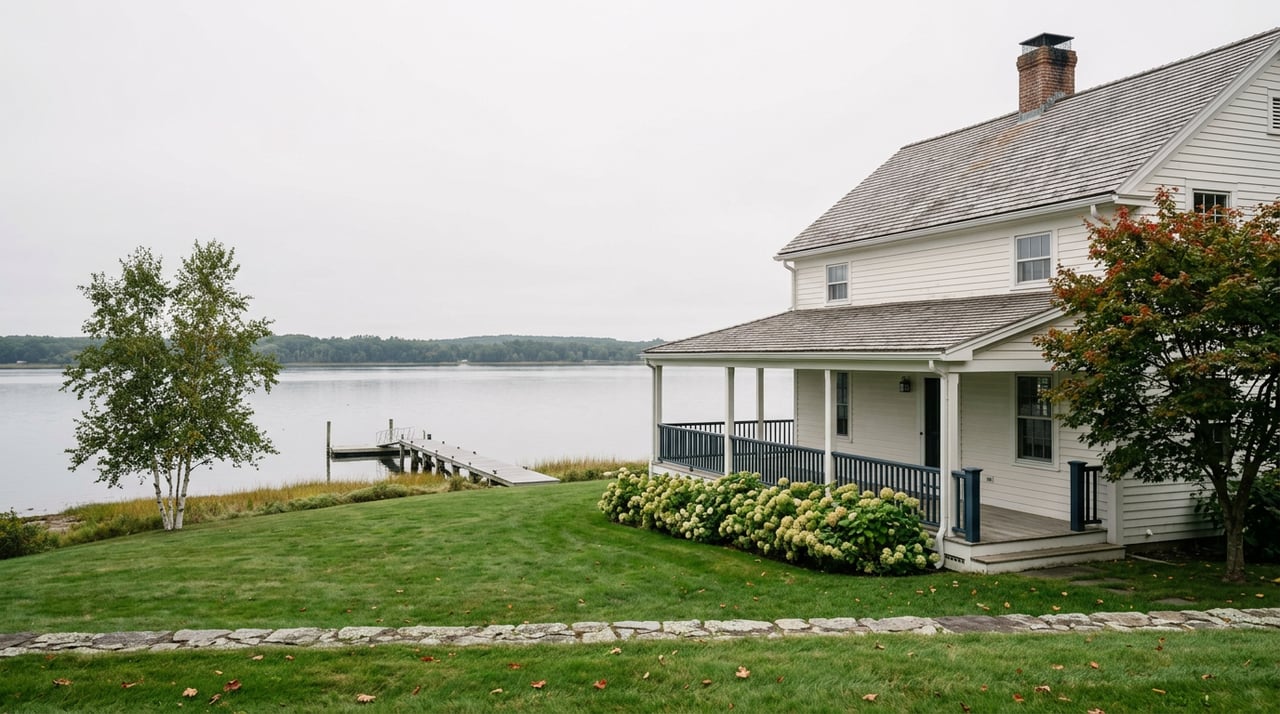
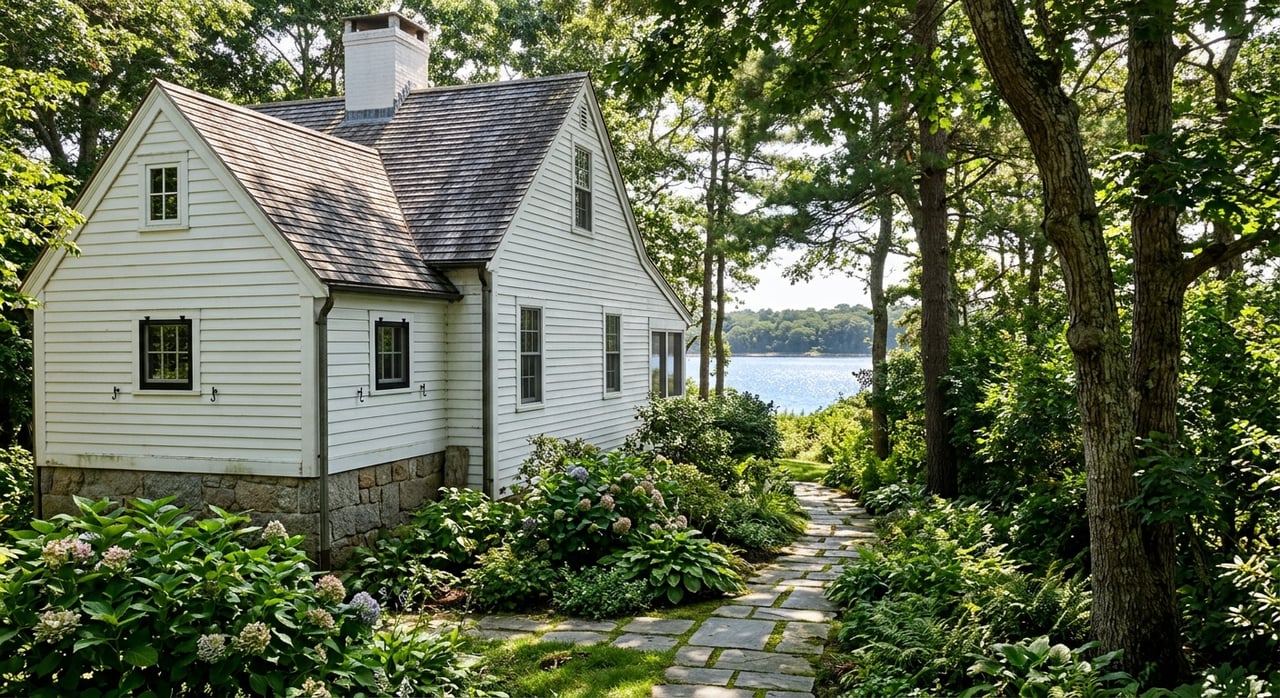
Wondering whether a Holderness listing is truly waterfront or just offers a path to the lake? On Squam, that distinction matters more than many buyers realize because access is limited, much of the shoreline is private, and the details can shape both your daily lake life and your future options. If you are comparing homes in Holderness, this guide will help you understand what waterfront and water-access really mean locally, what to verify before you buy, and which setup may fit you best. Let’s dive in.
Why the difference matters in Holderness
Holderness is closely tied to the Squam Lakes, and lake access is part of how many buyers picture living here. Because the town is shaped by the lakes and mountains, buyers often focus first on proximity to the water. But on Squam, being near the lake is not the same as owning rights on the lake.
That difference stands out because most of the land on Squam Lake is privately owned. Public use areas exist, including a launch site on the Squam Channel at Route 113, but they are limited. In practical terms, that makes confirmed frontage, deeded access, dock rights, and mooring rights especially important when you read a listing.
What waterfront means locally
In New Hampshire, developed waterfront has a specific legal meaning. State law defines it as a parcel with a structure suitable for occupancy that is contiguous to or within 250 feet of the reference line of a public water body. Holderness zoning uses that same 250-foot protected-shoreland concept around public waters.
That means a home can fall within developed-waterfront rules even if it is not sitting directly on the visible shoreline edge. For example, a home located 100 feet from Squam Lake may still be treated as developed waterfront under state law. This is one reason buyers should not rely only on casual listing language.
Holderness also ties Squam Lake’s ordinary high-water line to the state reference elevation of 563 feet. If a lot boundary runs along the shore, frontage rules can matter as well. In several zoning districts, the minimum shoreline frontage is 200 feet, while state law sets a baseline of at least 150 feet for newly created lots with frontage on public water.
What water-access usually means
Water-access is more of a practical real estate term than a strict statutory property class. In Holderness, it usually means the home is not on the shoreline but has some way to use the lake. That could include:
- A deeded easement
- A shared beach
- An association dock
- A mooring right
- Use of a nearby public launch
The key point is simple: water-access is only as strong as the rights that actually come with it. On Squam, where shoreline and docking opportunities are limited, the exact wording in the deed, association documents, and permits matters far more than a broad marketing phrase like “lake rights.”
Waterfront lifestyle: closer to the lake, more responsibility
For many buyers, waterfront offers the strongest connection to Squam. You may have direct access to the water, easier day-to-day enjoyment, and more control over how you reach the lake. If your goal is stepping outside and feeling fully connected to the shoreline, waterfront is usually the closest match.
That stronger connection also comes with more responsibility. New Hampshire’s shoreland rules are designed to protect water quality while still allowing homeowners some discretion for access, safety, views, and lot design. In real life, that means waterfront ownership often includes extra layers of stewardship and review that water-access owners may avoid.
Within the 50-foot waterfront buffer, the law limits chemical use and removal of natural ground cover. Within the protected shoreland area, no more than 30 percent of a lot may be impervious unless there is a professional-engineer stormwater system. Septic setbacks near lakes can range from 75 to 125 feet depending on soil conditions, which can affect additions, replacement systems, and other future plans.
Water-access lifestyle: flexibility with tradeoffs
A water-access home can be a great fit if you want to enjoy Squam without owning the most sensitive part of the shoreline. You may have less shoreline maintenance to manage and fewer property-level issues tied directly to the water’s edge. For some buyers, that creates a simpler ownership experience while still keeping the lake lifestyle close.
The tradeoff is reduced control. You may rely on shared facilities, association rules, or a public launch rather than your own frontage. On Squam, those details can shape everything from where you park to what size boat you can launch.
The Squam Lakes Association launch allows boats with 25 HP and under, while larger boats must use the Route 113 launch in Holderness. So if your lake plans include a specific kind of boat or regular launching, that should be part of your decision early, not after closing.
Can you add a dock or mooring?
This is one of the biggest points of confusion for buyers. A water-access property does not automatically include the right to install a dock or keep a mooring. Those rights depend on the deed, association rules, and any required state or local approvals.
Even with waterfront property, improvements near the shore can require review. Holderness zoning requires a New Hampshire Department of Environmental Services permit before construction, excavation, or filling within protected shoreland. Because protected shoreland includes all land within 250 feet of public waters, projects like additions, grading, patios, docks, and septic work may need additional review.
If a property includes a mooring field, there can be local requirements too. In Holderness, mooring fields with more than three moorings require parking, and a copy of the state mooring permit must be provided to the town. So whether you are buying direct frontage or shared access, boat-related rights should always be verified in writing.
What to verify before you buy
When you tour a waterfront or water-access home in Holderness, the most helpful next step is to separate the lake lifestyle vision from the legal rights that support it. A beautiful showing does not answer the important access questions by itself.
Here are the terms worth slowing down for:
- Deeded access
- Shared beach
- Association dock
- Mooring rights
- Public launch access
- Lake rights
For each one, ask what the right actually allows and whether it transfers automatically with the deed. You should also confirm who maintains the road, dock, stairs, shoreline area, and parking area. If association approval is required for use or transfer, that can affect how simple the property is to own.
Septic and shoreland checks matter
On developed waterfront property with septic, New Hampshire law requires a buyer-paid septic evaluation before transfer if any part of the septic system is within 250 feet of the reference line. Some older or unapproved systems may also require an added designer review. If a system is found to be failing, the sale is not automatically blocked, but the buyer generally must replace it within 180 days.
This matters because a property can feel like a dream on the shoreline while carrying real infrastructure questions below the surface. Septic location, age, approval status, and replacement options can affect your budget and future plans. That is especially true in a shoreland setting where setback and site constraints can limit what is possible.
Waterfront vs. water-access at a glance
| Feature | Waterfront Home | Water-Access Home |
|---|---|---|
| Lake connection | Direct and immediate | Indirect, based on granted rights |
| Control over access | Usually stronger | Often shared or limited |
| Shoreline responsibility | Higher | Usually lower |
| Regulation exposure | Often greater within shoreland areas | Can still apply, depending on rights and improvements |
| Boat use convenience | Often easier to manage | Depends on dock, mooring, or launch setup |
| What matters most | Frontage, permits, septic, shoreland limits | Deed language, association rules, parking, transferability |
Which one fits your goals?
If your top priority is stepping out to the water every day and controlling your own shoreline experience, waterfront may be worth the added complexity. It often delivers the strongest lifestyle connection, but it also asks more of you in maintenance, permitting, and long-term stewardship.
If you want to enjoy Squam while keeping ownership a little simpler, water-access may be the better fit. The right setup can still give you meaningful use of the lake, especially if the access rights are clear and durable. The best choice depends on how you plan to use the property, what kind of boating access you want, and how much direct shoreline responsibility you are comfortable taking on.
In Holderness, that choice is especially local. On a quiet, conservation-minded lake like Squam, the difference between “close to the water” and “true lake rights” is not just a marketing detail. It is a core part of how the property lives, what it may require, and how confidently you can buy.
If you are weighing waterfront against water-access in Holderness, local guidance can save you time and help you focus on the rights and restrictions that really matter. Bronwen Donnelly can help you sort through the details and find the setup that fits how you want to live on Squam.
FAQs
What does waterfront mean for a Holderness home?
- In New Hampshire, developed waterfront can mean a parcel with a livable structure that is contiguous to or within 250 feet of the reference line of a public water body, so it is not limited only to homes directly on the visible shoreline.
What does water-access mean for a Holderness home?
- Water-access usually means the home is off the shoreline but has some form of lake use through rights such as a deeded easement, shared beach, association dock, mooring, or nearby public launch.
Can a Holderness water-access property have a dock?
- Sometimes, but only if the deed, association rules, and any required permits allow it, so you should verify the exact rights rather than assume a dock is included.
Does a home 100 feet from Squam Lake count as waterfront?
- It can fall within New Hampshire’s developed-waterfront rules because the state definition can apply to structures within 250 feet of the reference line of a public water body.
Is water-access easier to own than waterfront in Holderness?
- Often yes, because it may avoid some direct shoreline stewardship, but you still need to confirm access durability, parking, boat-size limits, maintenance duties, and any association rules.
What should you verify in a Holderness lake listing?
- You should confirm the exact deeded or shared rights, whether those rights transfer with the property, who maintains shared areas, whether parking is included, and whether dock or mooring use is actually permitted.
Are septic checks required for Holderness waterfront purchases?
- If any part of the septic system is within 250 feet of the reference line, New Hampshire law requires a buyer-paid septic evaluation before transfer, and some systems may need added review.